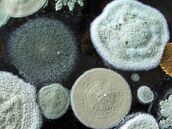
The microbiome refers to the collection of microbes (including protozoa, bacteria, fungi, and viruses) that reside on or within our bodies, with the highest levels being found in the gut. While some of these microbes can be harmful, the majority co-exist symbiotically with us, contributing to our well-being. In recent years, there has been increased interest in understanding how the microbiome influences mental and physical health. Explore the resources below to learn more!
Videos
10 Basic Facts About Our MicrobiomeProduced by Natasha Prince
Join Carleton student Natasha Prince as she explains the basics of the microbiome in this short educational video, including what it is, why researchers are so interested in studying it, and how it contributes to human health.
|
|
|
|
Are You Really What You Eat?Produced by Zoë Williams
Neuroscience and Mental Health Student Zoë Williams explores how diet may influence mood and cognition via changes in our microbiome and associated impacts on the gut-brain axis, a bidirectional communication link between our gut and our brain.
|
Graphics
|
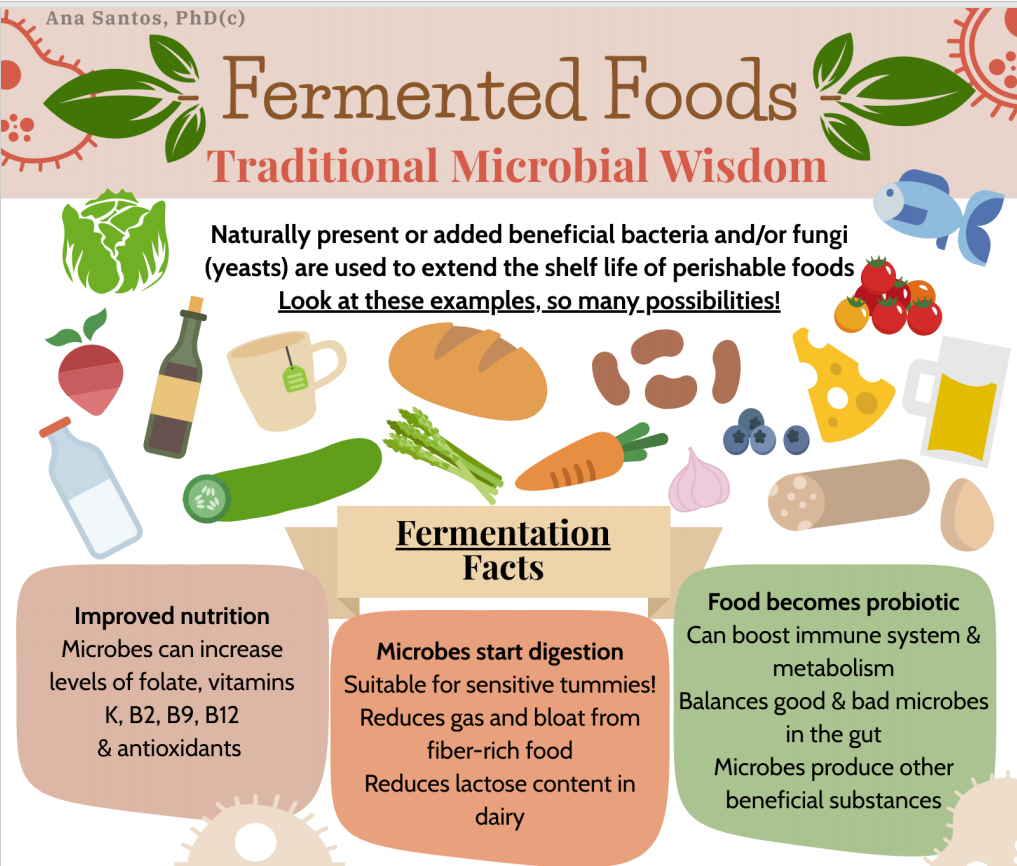
Fermented Foods: Traditional Microbial WisdomCreated by Ana Santos
The research evidence suggests that regular consumption of fermented foods may reduce inflammation and promote a more balanced microbiota, which is associated with many positive health outcomes. In this infographic, PhD student Ana Santos details the foundations of fermentation, and even provides a simple recipe for making your own veggie ferment! Click on the image to view the full infographic.
|